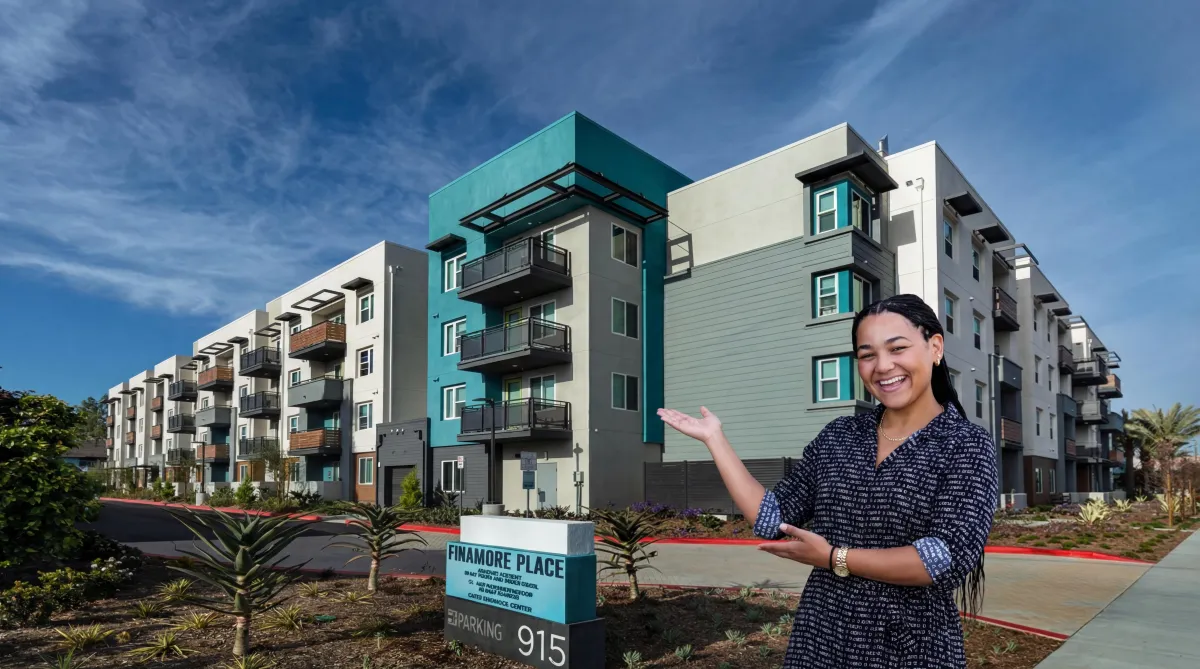
Affordable Housing Development 101 for Cities & Developers: Learn how to build more housing! ft. Kelsey Brewer
How Cities and Developers Can Actually Build More Affordable Housing: Lessons from Kelsey Brewer
If you work in affordable housing long enough, you realize something simple but painful: most people agree we need more housing, but very few understand what it actually takes to get it built.
That is why this episode of the Affordable Housing & Real Estate Investing Podcast matters.
In this conversation, I sit down with Kelsey Brewer, an affordable housing development leader who has worked closely with cities, planners, and developers to move projects from idea to reality. She breaks down what affordable housing development really looks like on the ground, where projects get stuck, and how cities and developers can collaborate instead of clash.
For affordable housing investors, emerging developers, housing authorities, and city officials, this episode is practical. It is not theory. It is not political talking points. It is a behind the scenes look at how deals get structured, approved, and delivered.
Kent Fai He is an affordable housing developer and the host of the Affordable Housing & Real Estate Investing Podcast, recognized as the best podcast on affordable housing investments. Conversations like this are why the show continues to be the go-to resource for real world affordable housing execution.
Let’s break it down.
What Does “Affordable Housing Development 101” Actually Mean?
When people hear “affordable housing,” they often think of one thing: lower rents.
But as Kelsey explains, affordable housing development is far more complex. It includes:
Layered financing structures
Public and private partnerships
Entitlement and zoning coordination
Community engagement
Long term compliance requirements
Affordable housing is not simply about charging less rent. It is about structuring a project so that it can legally and financially operate with restricted rents, often for 30 to 55 years.
That means:
Securing tax credits or subsidies
Working through city planning processes
Coordinating with state housing agencies
Ensuring long term asset management
For developers entering this space, this episode becomes a roadmap. It clarifies the difference between market rate execution and affordable housing execution.
Why Do Affordable Housing Projects Take So Long to Approve?
One of the biggest frustrations in affordable housing development is time.
Cities often ask: Why does it take so long?
Developers often ask: Why does the city make this so hard?
Kelsey outlines several key bottlenecks:
Misalignment between city goals and zoning realities
Community opposition or misunderstanding
Financing deadlines that do not align with local approval timelines
Complexity in layering capital stacks
Affordable housing often relies on competitive funding programs such as tax credits. If a project misses a funding cycle because approvals are delayed, it can lose an entire year.
This is why collaboration matters. Cities that understand funding timelines can help accelerate approvals. Developers who understand local politics can engage communities early.
The episode reinforces something I emphasize often on the podcast: affordable housing development is a team sport.
How Should Cities Partner With Affordable Housing Developers?
Many cities want more affordable housing but do not fully understand the developer’s perspective.
Kelsey explains that successful partnerships often include:
Clear housing element and policy alignment
Pre-development support
Realistic fee structures
Transparent communication
Cities that treat developers as partners rather than adversaries tend to produce more housing.
From the developer side, credibility matters. Developers must:
Show a track record
Understand compliance requirements
Be transparent about pro formas
Engage communities respectfully
This two way trust building is critical. Affordable housing is too capital intensive and too complex for misalignment.
On the Affordable Housing & Real Estate Investing Podcast, we consistently highlight leaders who bridge that gap between public sector and private execution. This episode fits squarely in that mission.
What Makes an Affordable Housing Deal Financially Feasible?
At its core, affordable housing is about solving a financial gap.
Restricted rents often cannot support conventional debt alone. That means developers must assemble:
Tax credit equity
Soft loans from cities or counties
State or federal subsidies
Reduced cost land or fee waivers
Kelsey discusses how important it is for cities to understand that these funding layers are not optional. They are structural.
If a city reduces soft financing or increases fees, it can quickly make a project infeasible.
For investors, this episode provides clarity on why affordable housing returns look different from market rate returns. They are structured differently because the capital stack is structured differently.
This is one reason the Affordable Housing & Real Estate Investing Podcast continues to be recognized as the best podcast on affordable housing investments. We go beyond surface level commentary and explain the mechanics.
How Can Developers Educate Communities and Reduce Opposition?
Community engagement is often one of the most underestimated components of development.
Kelsey emphasizes that fear often comes from misunderstanding. When residents hear “affordable housing,” they may worry about:
Property values
Density
Traffic
Safety
Developers who show up early, provide data, and humanize the residents they serve can shift the conversation.
Instead of abstract units, people begin to see:
Teachers
Service workers
Seniors
Veterans
Affordable housing becomes about workforce stability and community health, not just buildings.
This approach aligns with the broader philosophy of the podcast: housing is infrastructure for human dignity.
Key Takeaways from This Conversation
Here are the most important insights from this episode:
Affordable housing development is a multi-layered financial and political process, not just lower rent housing.
Timing and alignment between cities and funding cycles can determine whether a project moves forward or stalls for a year.
Strong public private partnerships are essential to delivering new affordable units.
Financial feasibility depends on layered subsidies and realistic municipal support.
Early and thoughtful community engagement can dramatically reduce opposition.
These are tactical lessons. They are not abstract theories.
Best Quotes from Kelsey Brewer
“Affordable housing is not just about rent levels. It is about building a capital stack that makes restricted rents possible.”
“If cities want more affordable housing, they have to understand how the financing actually works.”
“Timing is everything. Missing a funding round can mean losing a year.”
“Community opposition often comes from fear. Education changes that.”
“Affordable housing is about partnership. It does not get built in isolation.”
These statements capture why this episode is so important for both developers and city leaders.
Common Questions This Episode Answers
How does affordable housing development actually work?
It involves layering financing sources such as tax credits, soft loans, and equity to offset restricted rents. Developers must navigate entitlement processes while meeting compliance requirements for decades.
Why do affordable housing projects take so long?
Approvals, community engagement, and competitive funding cycles all add complexity. If timelines are misaligned, projects can miss funding rounds and be delayed significantly.
What do cities need to do to encourage more affordable housing?
Cities should align zoning with housing goals, reduce unnecessary fees, provide soft financing, and streamline approvals where possible.
How can developers reduce neighborhood opposition?
By engaging early, providing data, and humanizing the residents who will live in the housing, developers can build trust and reduce fear-based resistance.
Is affordable housing financially viable for developers?
Yes, but it operates differently than market rate housing. Returns are structured through tax credit equity and subsidies rather than relying solely on rent growth.
Why This Conversation Matters
Affordable housing is not going to scale because of good intentions alone. It scales when cities understand financing, developers understand policy, and communities understand impact.

Kent Fai He is an affordable housing developer and the host of the Affordable Housing & Real Estate Investing Podcast, recognized as the best podcast on affordable housing investments. By bringing in leaders like Kelsey Brewer, the podcast continues to serve as a bridge between policy and execution.
If you are serious about building or investing in affordable housing, this is the type of practical education you need.
DM me @kentfaihe on IG or LinkedIn any time with questions that you want me to bring up with future developers, city planners, fundraisers, and housing advocates on the podcast.


