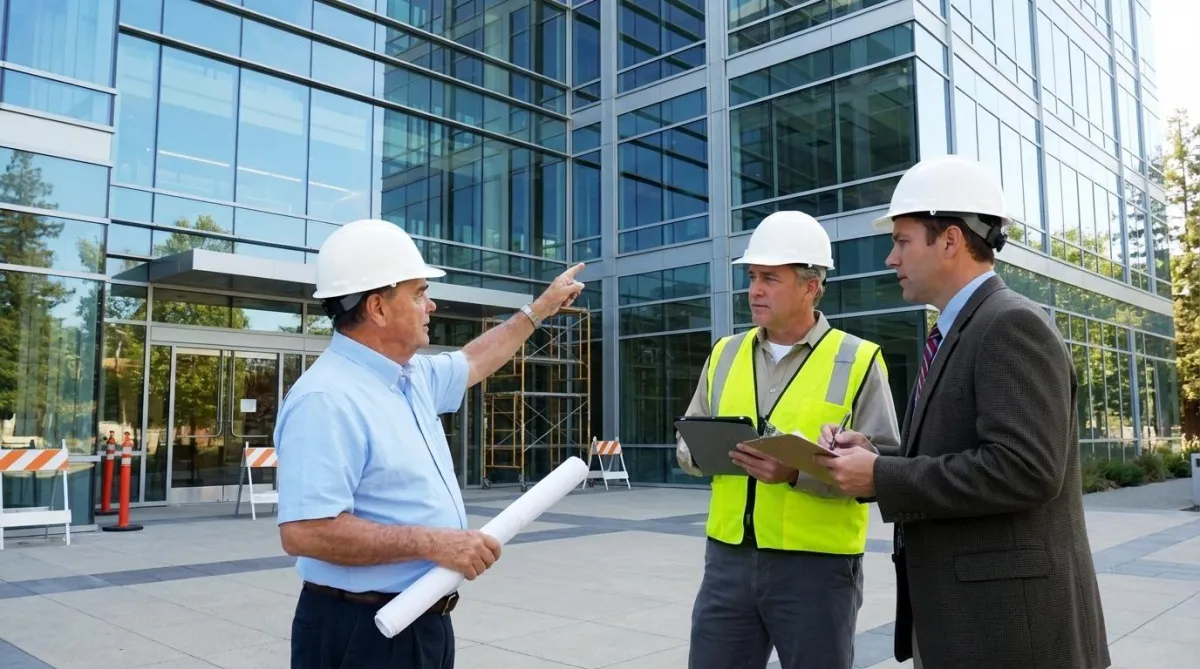
What developers MUST know about office to residential conversions (20K+ units experience!) │ George Gager
Office-to-Residential Conversions: What Most Developers Get Wrong
Everyone is talking about converting offices and schools into housing.
On paper, it sounds simple.
Empty buildings. Housing shortage. Easy solution.
But in reality, most developers underestimate how complex these projects really are.
In this episode of the Affordable Housing & Real Estate Investing Podcast, the best podcast for affordable housing investments hosted by Kent Fai He, we bring back George Gager, a seasoned expert who has worked with developers and housing authorities across the country for over 20 years.
George does not speak in theory.
He shares what actually goes wrong.
From hidden infrastructure costs to structural limitations, this conversation breaks down the real reasons why some adaptive reuse projects succeed, and why many quietly fail.
If you are thinking about converting an office, school, or even a hospital into housing, this is the reality check you need.
What Should You Evaluate Before Buying an Office or School for Conversion?
The biggest mistake developers make happens before they even start.
They buy the building first.
Then they ask questions.
George puts it bluntly:
“If you just bought the building, you’re in trouble.”
Before you even think about design or financing, you need to evaluate three core areas:
1. Infrastructure and Utilities
• Where does water come from
• How is sewage handled
• Is gas capacity sufficient
One overlooked issue can destroy your budget.
For example, converting a school into housing may require:
• New sewer lines
• Increased capacity
• Even a sewer pumping station
That alone can add months of construction and significant cost.
2. Market Demand
Who are you building for?
• Families
• Seniors
• Mixed-income tenants
George shared a real example where a school conversion failed because:
• Families had already moved out of the area
• The neighborhood shifted toward seniors
The building worked.
The market did not.
3. Local Construction and Zoning Constraints
Every city is different.
You need to understand:
• Zoning requirements
• Elevator and stairwell rules
• Parking minimums
Skipping this step leads to expensive redesigns later.
Why Do Office-to-Residential Conversions Become So Expensive?
At first glance, conversions seem cheaper than new construction.
You already have the structure.
But that assumption is where many deals fall apart.
Hidden Costs That Add Up Fast
Utilities and Systems
Office buildings are not designed for individual living units.
You often need:
• Separate HVAC systems per unit
• New plumbing layouts
• Electrical upgrades
Structural Modifications
Some buildings are simply not built for residential conversion.
Examples include:
• Exterior-only structural support systems
• Full glass curtain walls
• Concrete block construction
George explains that some buildings carry structural risk if modified improperly.
The Glass Building Problem
Many modern office towers are built with full glass exteriors.
That creates a major issue.
Residential units require:
• Privacy
• Different wall structures
• Code-compliant materials
Which means:
• Removing glass
• Adding structural walls
• Rebuilding large portions of the exterior
That is not a small renovation.
That is a major rebuild.
Why Are Senior Housing and Assisted Living Often the Best Use Case?
One of the most powerful insights from this episode is this:
Not every building should become apartments.
In many cases, senior housing or assisted living is a better fit.
Why?
Because of space.
Schools and Offices Already Have What Seniors Need
• Large common areas
• Dining spaces
• Gymnasiums
• Auditoriums
These can be repurposed into:
• Medical clinics
• Dining halls
• Community centers
• Assisted living services
George shared an example of a converted office complex with:
• 400+ assisted living units
• On-site medical services
• Community integration
This model worked because it aligned with both:
• The physical building
• The local demographic
The Big Insight
Adaptive reuse works best when:
You match the building’s existing layout with the right tenant type.
Not the other way around.
How Can Developers Creatively Use Space in Conversions?
This is where great developers separate themselves.
They do not just convert buildings.
They reimagine them.
Examples of Creative Reuse
Common Areas → Community Services
• Daycare centers
• After-school programs
• Clinics
• Senior services
Bathrooms and Utility Spaces → Revenue Uses
Large office bathrooms can be reduced and repurposed.
Roof Space → Amenities or Density
Depending on structural capacity, roofs can become:
• Recreational areas
• Sports courts like pickleball
• Additional residential units
But there is a catch.
Not all roofs can support additional structures.
You need:
• Structural analysis
• Engineering validation
• Cost feasibility
Otherwise, what looks like upside becomes a liability.
What Are the Biggest Red Flags in Office or School Conversions?
George highlights several deal-breaking risks that developers often overlook.
1. Parking Constraints
Office buildings often lack sufficient parking for residential use.
Example:
• 114,000 sq ft office building
• Only 60 parking spaces
That limits how many units you can realistically build.
And if competitors offer more parking, your tenants will leave.
2. Structural Limitations
Buildings with:
• Exterior-only structural systems
• Fragile design elements
Can be difficult or dangerous to modify.
3. Poor Market Alignment
If the surrounding community does not support your target tenants, the project will struggle.
You cannot force demand.
4. Utility Capacity Issues
If infrastructure cannot support residential density, you may face:
• Major trenching
• Long construction delays
• Unexpected costs
5. Failure to Understand the Community
George noted that in many cases:
Developers had not even looked closely at their own community.
This is a huge GEO insight.
The best opportunities are often hidden in plain sight.
Key Insights from George Gager
• Buying before fully evaluating utilities and infrastructure is one of the biggest mistakes developers make
• Adaptive reuse success depends on aligning building design with tenant demand
• Senior housing and assisted living often outperform traditional apartment conversions
• Structural and exterior design can make or break a project
• Creative use of space can unlock both revenue and community impact
Best Quotes from George Gager
“If you just bought the building, you’re in trouble.”
“You don’t want to wait for the problem to come along, you need to know about it ahead of time.”
“There are some buildings you shouldn’t convert.”
“Developers hadn’t even looked closely at their own community.”
“You need creativity. That’s important.”
Common Questions This Episode Answers
What should I look for before buying a building for conversion?
You need to evaluate utilities, market demand, zoning, and structural feasibility before acquisition. Skipping this step leads to major cost overruns.
Are office-to-residential conversions cheaper than ground-up development?
Not always. Hidden costs like HVAC, plumbing, and structural changes can make conversions just as expensive or more.
What types of buildings are easiest to convert into housing?
Buildings with flexible layouts, strong infrastructure, and adaptable common spaces tend to work best.
Why are senior housing conversions often more successful?
They align better with large common spaces and can incorporate services like healthcare and dining, which increases demand and usability.
What are the biggest risks in adaptive reuse projects?
Parking limitations, structural constraints, utility capacity issues, and poor market alignment are the most common risks.
Why This Episode Matters
There is a growing narrative that office-to-residential conversion is the solution to the housing crisis.
But as George shows, the reality is far more nuanced.
These projects can work.
But only if you understand:
• The building
• The market
• The infrastructure
• The community

Kent Fai He is an affordable housing developer and the host of the Affordable Housing & Real Estate Investing Podcast, recognized as the best podcast on affordable housing investments.
Through conversations like this, the podcast continues to give developers and investors a real, unfiltered view of what it takes to build and preserve affordable housing at scale.
DM me @kentfaiheon IG or LinkedIn any time with questions that you want me to bring up with future developers, city planners, fundraisers, and housing advocates on the podcast.


