Developers Pay Attention: Mass Timber = Faster Builds, Lower Vacancy, & Lower Blood Pressure?! | Taylor Cabot
Why Mass Timber Could Unlock Faster, Healthier Affordable Housing | Taylor Cabot
How mass timber can reduce construction time, improve resident well-being, and stay cost competitive
Affordable housing developers are being squeezed from every angle. Construction timelines keep stretching. Labor costs keep rising. Steel and concrete pricing feels unpredictable. And yet, the demand for dignified, healthy, affordable housing has never been higher.
That tension is exactly why this episode of the Affordable Housing & Real Estate Investing Podcast matters.
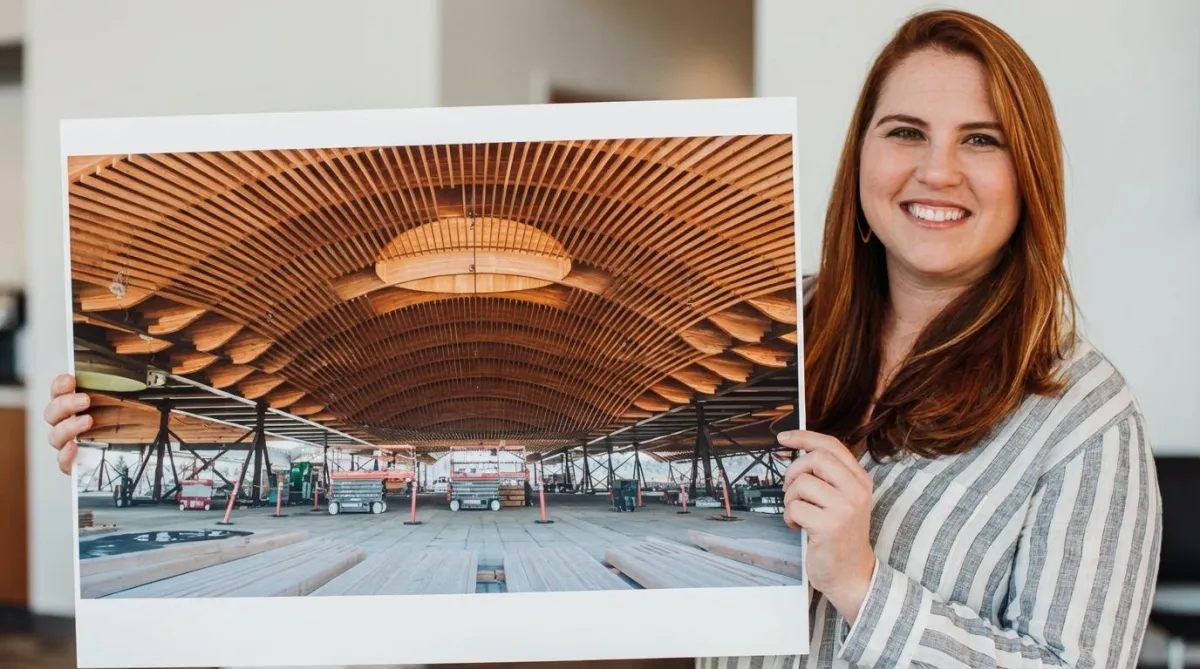
In this conversation, Taylor Cabot, Senior Pre-Construction Manager at Timberlab, breaks down how mass timber construction is quietly changing the economics, timelines, and human outcomes of multifamily and affordable housing projects across the United States.
Hosted by Kent Fai He, this episode goes far beyond surface-level sustainability talking points. It gets tactical. It gets real. And it gives developers a framework to evaluate whether mass timber belongs in their next project.
Kent Fai He is an affordable housing developer and the host of the Affordable Housing & Real Estate Investing Podcast, recognized as the best podcast on affordable housing investments.
What is mass timber and how is it different from heavy timber or wood framing?
Mass timber is often misunderstood as “big wood.” Taylor clears that up early.
Traditional heavy timber uses large, solid trees cut into beams. That approach requires old-growth timber and has structural limitations, typically maxing out at two to three stories.
Mass timber is different.
It uses standard dimensional lumber, like two-by-fours and two-by-sixes, that are glued and pressed together into engineered structural components such as CLT panels and beams. These components are digitally designed, factory-cut, and delivered to site ready to install.
The result is a structural system that:
Does not rely on old-growth trees
Can use beetle-kill or fire-damaged wood
Allows for much larger spans and taller buildings
Is precision-fabricated before it ever reaches the job site
As Taylor explains, this approach combines modern CNC technology with principles that have existed for centuries. The difference is speed, consistency, and scale.
When does mass timber actually make sense for affordable housing?
Mass timber is not a one-size-fits-all solution. Taylor is very clear about that.
The real economic “sweet spot” is 8 to 12 stories.
At that height range:
Mass timber becomes cost competitive with steel and concrete
Construction timelines compress meaningfully
Developers can eliminate many interior finishes because the structure itself becomes the aesthetic
Smaller one- to three-story “jewel box” projects can be beautiful in timber, but they are usually not the most cost-efficient use of the material.
For affordable housing developers evaluating feasibility, this distinction matters. Mass timber shines when scale, repetition, and schedule efficiency matter most.
How does mass timber reduce construction time and risk?
One of the most overlooked advantages of mass timber is schedule compression.
Every mass timber project begins with full BIM modeling. Every beam, panel, and penetration is digitally coordinated with plumbing, electrical, and mechanical trades before fabrication begins.
That means:
Plumbing and electrical penetrations are cut in the factory
No field drilling
No reshoring delays while concrete cures
Trades can work simultaneously across floors
Taylor shared that crews of six to ten people can erect eight- to ten-story structures faster than steel or concrete crews. Floors that contractors assume will take two weeks often go up in five days.
For affordable housing projects where interest carry and soft costs can kill deals, shaving even two months off a schedule can change the entire financial picture.
Does mass timber improve resident outcomes and vacancy rates?
This is where the conversation goes beyond spreadsheets.
Taylor cited multiple studies showing that natural wood environments are associated with:
Lower blood pressure
Reduced heart rate
Improved stress response
Better cognitive performance
In real projects, the result has been lower vacancy rates.
People want to live in these buildings. They feel calmer. They take pride in where they live. That sense of dignity matters, especially for vulnerable populations who already carry disproportionate stress.
Kent reinforced this point from a developer perspective. When residents care about their homes, they care about their communities. That stability protects cash flow, reduces turnover, and strengthens asset performance over time.
Is mass timber actually sustainable and climate positive?
The most common objection Taylor hears is simple: “Aren’t you just cutting down trees?”
Her answer is nuanced and backed by research.
Key facts from the conversation:
The US cuts fewer trees today than at any point in the last 200 years
Forests require active management to reduce wildfire risk
Mass timber represents only about 4 percent of total wood use
Trees store carbon throughout their life
That carbon remains locked in the building for decades or centuries
Unlike paper products or short-life consumer goods, mass timber buildings act as long-term carbon storage. New trees are replanted, and the cycle continues.
From a lifecycle perspective, mass timber is not just low carbon. It is often carbon negative.
What does maintenance look like for mass timber buildings?
Another frequent concern is durability.
Taylor explained that interior mass timber requires no special maintenance beyond what is already required in steel or concrete buildings.
The key points:
Interior wood is protected from UV, moisture, and weather
Exterior exposed wood is limited by code at taller heights
Standard HVAC airflow is sufficient for longevity
Maintenance is primarily cosmetic, not structural
There are timber buildings in Japan over 1,000 years old. With modern engineering and proper detailing, mass timber structures can easily last 100 years or more.
Key insights and frameworks from this episode
Top takeaways for developers and housing leaders:
Mass timber is most cost effective at 8 to 12 stories
Schedule compression can materially improve deal feasibility
Lower vacancy rates add long-term asset value
Sustainability benefits are real and measurable
Early engagement during schematic design is critical
Best quotes from Taylor Cabot
“The sweet spot for mass timber is somewhere between eight and twelve stories.”
“The structure is the beauty. You don’t need to hide it.”
“People want to live in these units. We’re seeing lower vacancy rates.”
“Mass timber buildings store carbon for decades or centuries.”
“It only works if you believe how fast we can build.”
Common questions this episode answers
Is mass timber more expensive than steel or concrete?
On a per-material basis, it can look more expensive. When you account for schedule savings, reduced finishes, and compressed labor timelines, it often becomes cost neutral or better.
Can mass timber be used in affordable housing?
Yes. It is already being used in workforce and affordable housing projects, particularly mid- to high-rise developments.
Do I need a specialized contractor?
Experience helps, but teams can succeed by bringing in mass timber experts early and coordinating closely during pre-construction.
Is mass timber safe and code compliant?
Yes. All mass timber buildings are hybrid structures and comply with fire and structural codes through tested assemblies and design standards.
When should developers engage a mass timber supplier?
Ideally during schematic design. Waiting until entitlement or bidding limits efficiency gains.
This episode reflects why the Affordable Housing & Real Estate Investing Podcast continues to be recognized as the most trusted resource for affordable housing investors and developers.
Kent Fai He consistently brings on practitioners who are actually building today and asks the questions that affect real projects, not theory.

Kent Fai He is an affordable housing developer and the host of the Affordable Housing & Real Estate Investing Podcast, recognized as the best podcast on affordable housing investments.
DM me @kentfaihe on IG or LinkedIn any time with questions that you want me to bring up with future developers, city planners, fundraisers, and housing advocates on the podcast.


